Harness Engineering
What Is Harness Engineering?
Harness engineering is the discipline of designing the execution environment around an AI agent, not only the prompt sent to the model.
A harness includes the constraints, tools, feedback loops, and operational rules that keep autonomous behavior reliable over many steps.
In practice, this means engineering teams invest in:
- predictable tool access,
- clear project instructions,
- automated checks and retries,
- observability,
- and safety guardrails.
The main idea is simple: agent quality depends as much on the environment as on the model itself.
Prompt vs Context vs Harness
Prompt engineering, context engineering, and harness engineering solve different layers of the same problem.
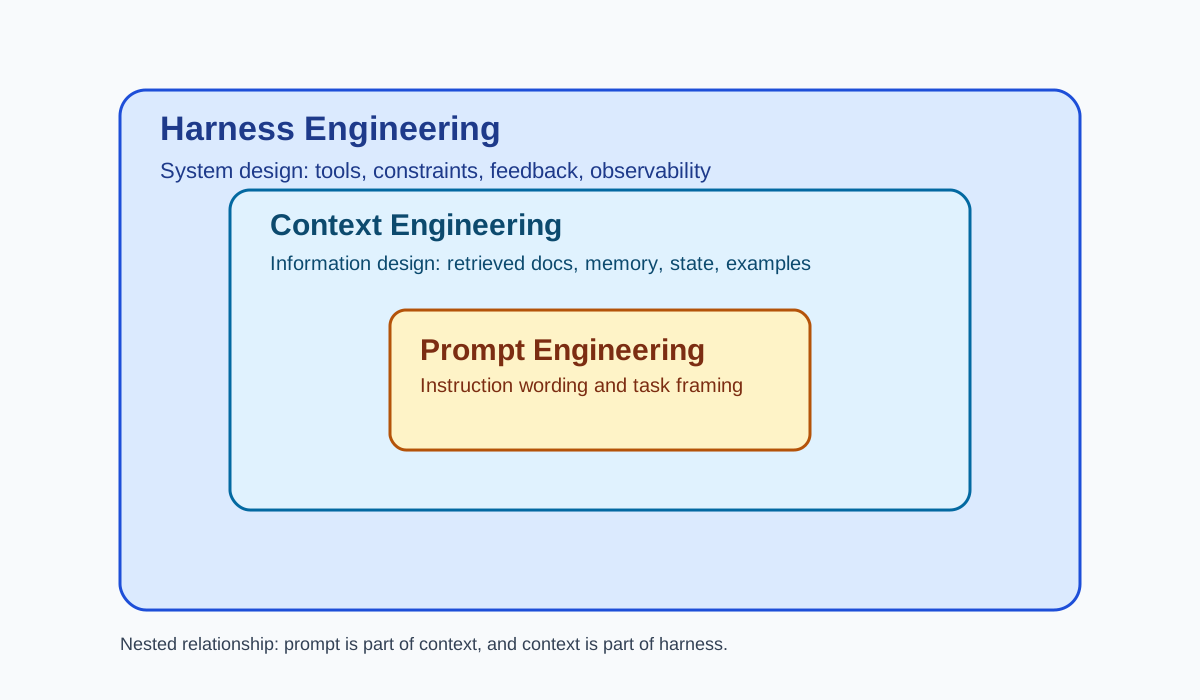
| Layer | Core question | Design target |
|---|---|---|
| Prompt engineering | What should I ask? | The instruction text |
| Context engineering | What should the model see? | The tokens and retrieved information |
| Harness engineering | How should the whole system run? | Tools, constraints, feedback, and runtime controls |
Harness engineering is broader than prompt or context design because it also covers behavior outside the model call.
Why It Matters for Long-Running Agents
Long-running agents usually fail for operational reasons before they fail for intelligence reasons.
Typical failure modes include:
- repeated mistakes after retries,
- drift from repository conventions,
- fragile tool usage,
- accumulation of technical debt,
- and limited traceability when something breaks.
A good harness reduces these failures by turning expectations into mechanisms.
Core Components of a Practical Harness
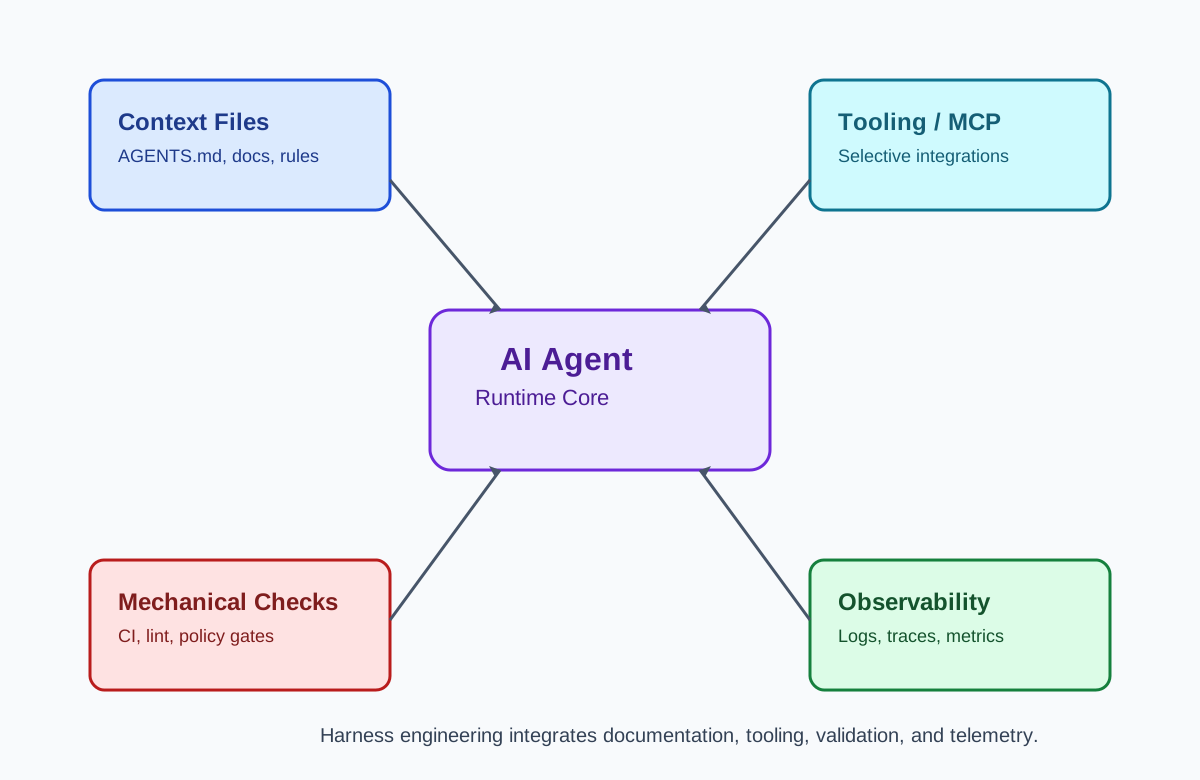
1) Context Files as System of Record
Project-level instructions (for example AGENTS.md, CLAUDE.md, or local docs) should capture architecture, coding rules, and build/test commands.
Treat these files as the single source of truth for agent behavior.
2) Selective Tooling and Integrations
Connect external tools only when needed for the task (issue trackers, docs, runtime telemetry, etc.).
More tools are not always better: each integration increases complexity and context overhead.
3) Mechanical Enforcement
Use CI checks, linters, and structural tests to block invalid outputs early.
A harness is stronger when policy is executable (tests/rules), not only documented.
4) Feedback Loops and Self-Repair
Agent runs should produce actionable feedback that can be fed back into the next decision step.
This includes:
- failing with clear reasons,
- returning structured diagnostics,
- and enabling automatic retry with correction.
5) Observability
Collect logs, traces, and key metrics so you can answer:
- What did the agent try?
- Which tool calls failed?
- Where did the plan diverge?
Without observability, harness tuning becomes guesswork.
Minimal Adoption Plan
Teams can start small and grow the harness incrementally:
- Write one context file with build, test, and architecture rules.
- Expose only essential tools for the first workflows.
- Add enforcement in CI for non-negotiable constraints.
- Instrument traces/logs to learn from failures.
- Convert repeated incidents into rules (documented and executable).
Agent Feedback Loop (Reference Pattern)
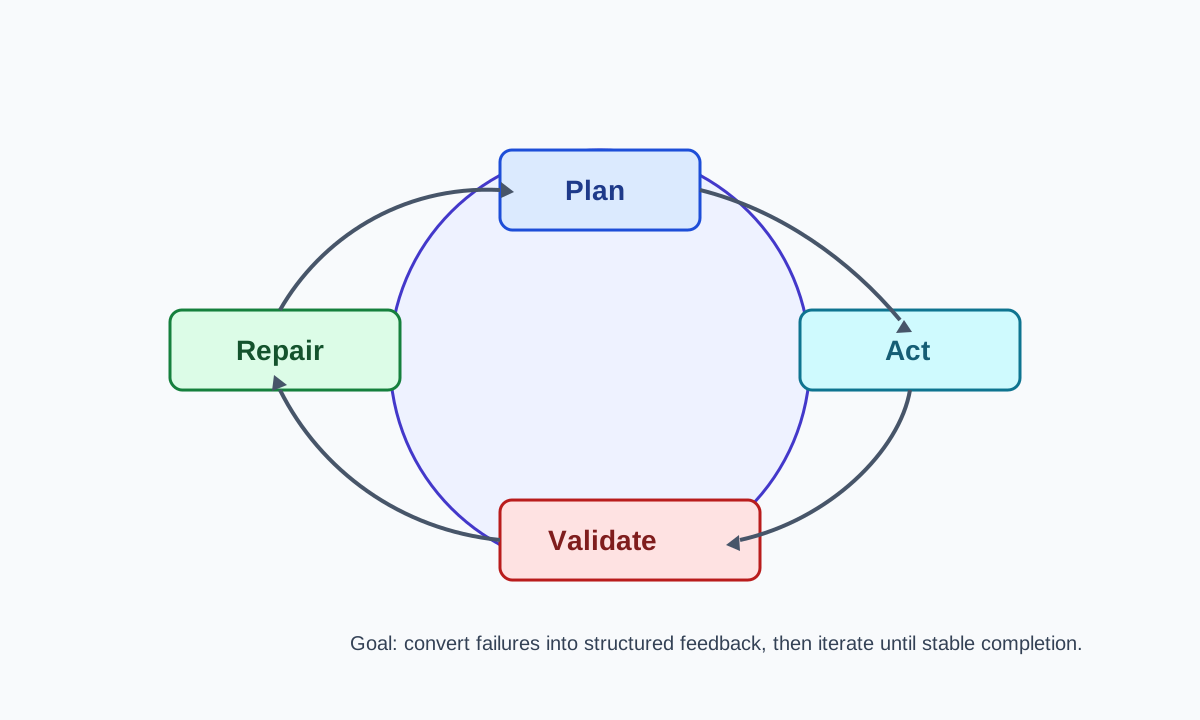
A simple loop:
- Agent plans.
- Agent acts (tool call or code change).
- Harness validates (tests/lints/policies).
- Harness returns feedback.
- Agent repairs or finalizes.
This loop is where reliability is built.
Notes
- This page is inspired by the article “Beyond Prompts and Context: Harness Engineering for AI Agents” by MadPlay, adapted into original summary content for this glossary.
- Reference article: madplay.github.io - Harness Engineering
- Related glossary terms: AI Agent, Agent Skills, Prompt Engineering